


Vintage Moroccan rugs are more than just floor coverings; they are woven chronicles of the Atlas Mountains. Unlike mass-produced textiles, an authentic Moroccan rug carries the soul of the weaver, making it a centerpiece of ethical home décor that transcends fleeting interior design trends.
The Rich History of Moroccan Weaving
For centuries, indigenous Berber tribes in Morocco have hand-knotted rugs as a practical response to the rugged climate. These natural wool rugs were originally intended as bedding and blankets rather than decorative pieces. Each knot tells a story of tribal identity, fertility, and protection, utilizing symbols passed down through generations of women.
To truly appreciate these pieces, one must understand that they were never meant to be “products.” They were personal diaries. A weaver from the Middle Atlas might incorporate a zigzag pattern to represent water or a diamond shape to ward off the “evil eye.” Because these rugs were made for domestic use, their character is inherently intimate.
The Rise of Moroccan Beni Ourain Rugs
Among the most coveted styles are the Moroccan Beni Ourain rugs. Known for their minimalist ivory backgrounds and erratic charcoal geometric lines, these rugs became icons of Mid-Century Modernism. Architects like Le Corbusier and Frank Wright famously paired these shaggy, high-pile masterpieces with sleek furniture, proving that heritage craftsmanship has a permanent place in contemporary design. Many vintage pieces found today were woven before the commercial boom, meaning the designs are purer and driven by tradition rather than market demand.
Character and Authenticity: What to Look For
When searching for vintage Moroccan rugs, “character” often comes from “imperfection.” Authentic pieces are rarely perfectly symmetrical, and time performs a unique magic trick on the wool:
The Patina: Decades of light use and sunlight soften the vibrant vegetable dyes (indigo, saffron, henna) into muted tones.
The Handle: The wool becomes exceptionally supple. A vintage rug feels less like a carpet and more like a heavy, luxurious textile.
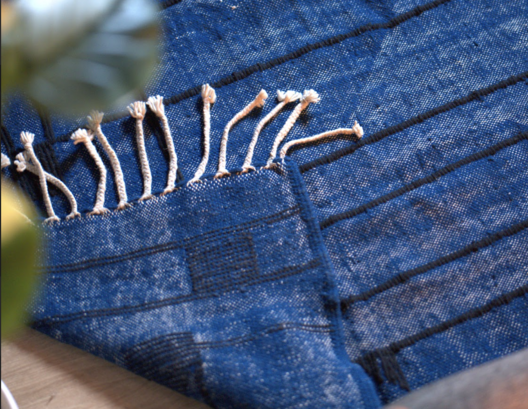
The Fringe: Often, authentic rugs have fringe on only one side—the side where the weaver finished the loom.
The Investment Value
In the UK, natural wool rugs have seen a surge in demand as homeowners move away from “fast furniture.” A vintage Moroccan rug is a sustainable investment; its value often appreciates as the supply of genuine, mid-20th-century pieces dwindles. By choosing vintage, you are participating in a circular economy, supporting ethical home décor that lasts a lifetime.
Spotlight: The Ahidus Collection

The Ahidus product line is an homage to the “Middle Atlas” style of weaving and the rhythmic energy of the traditional Berber dance. These rugs reflect the festive nature of tribal ceremonies.
Dynamic Patterns: Reflecting the movement and communal spirit of the Atlas tribes through vibrant use of color—deep reds, oranges, and purples.
The Weave: Typically a medium-pile height, providing a balance between shaggy warmth and the practical durability needed for high-traffic living areas.
Artisanal Integrity: Each Ahidus piece is curated to ensure it retains the historical “language” of the weaver.
Spotlight: The Akal Collection

Akal, meaning “Earth” in the Berber language (Tamazight), represents a commitment to the raw, organic beauty of the Moroccan landscape. This collection focuses on the relationship between the sheep and the land.
- Earth Tones: This collection focuses on “sheep-colored” variations—creams, taupes, browns, and charcoals—avoiding heavy processing to keep the wool’s natural lanolin intact.
- Texture-First: Perfect for “Organic Modern” or “Japandi” styles, these rugs bring a grounding, “Akal” element to any room through tactile, raw fiber.
- Ethical Sourcing: Every Akal product is sourced directly from artisan cooperatives, ensuring fair wages and the preservation of ancient techniques.
Caring for Your Investment
An authentic Moroccan rug is surprisingly easy to maintain. Because they are made from high-quality natural wool, they possess self-cleaning properties. Regular shaking or vacuuming on a low-suction setting is usually enough. For vintage pieces, we recommend professional cleaning every few years to preserve the natural oils, ensuring your piece of history lasts for another century.
